
Home > our Projects
In collaboration with Helping Hands and Health and Education for All (HAEFA), we are currently engaged in data collection to assess the presence and prevalence of mental health issues among refugee populations in Nepal. In addition to mental health, we are also collecting data on physical health conditions, including cardiovascular diseases (CVD), blood pressure, diabetes, and malnutrition, to explore their association with mental health outcomes. The overarching goal of this initiative is to design and implement integrated interventions that are both culturally and cognitively appropriate, addressing the interconnected dimensions of mental and physical health within the refugee community.
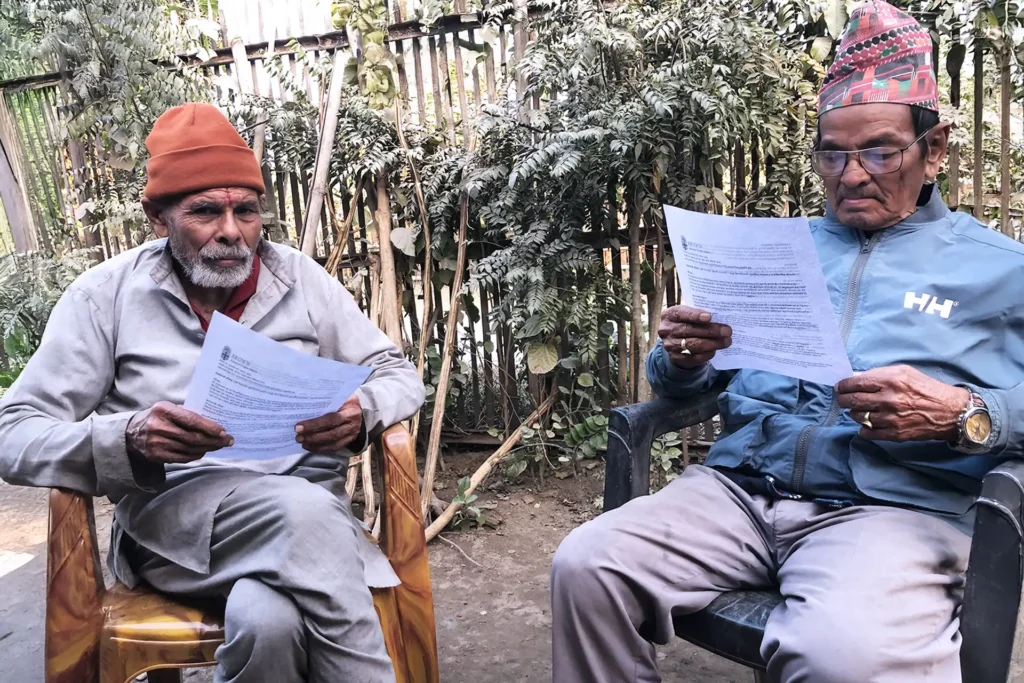
The establishment of Helping Hands and HAEFA Health Clinics in Bhutanese refugee camps in Nepal is a critical step toward addressing the urgent healthcare needs of some of the most vulnerable and underserved populations in the region. Guided by the mission of Helping Hands: Health and Human Services, Nepal—”helping the most vulnerable populations in refugee camps and affected areas access free and quality healthcare”—this initiative aims to provide equitable and comprehensive health services to those who face systemic barriers to care.
Refugees, labor workers, and marginalized communities in Nepal, particularly Bhutanese refugees from Bhutan, continue to experience high levels of unmet healthcare needs, including both physical and mental health conditions. Chronic illnesses such as cardiovascular diseases, hypertension, diabetes, and malnutrition are prevalent, and these physical health concerns are often interlinked with mental health issues, including depression, anxiety, and trauma. Despite this burden, access to quality and consistent care remains limited in refugee camps.
Helping Hands, in collaboration with Health and Education for All (HAEFA), seeks to fill this critical gap by providing high-quality, free healthcare services through community-based clinics. These clinics will be designed to not only offer essential medical treatment but also to serve as platforms for public health education, prevention, and research. By integrating culturally and cognitively appropriate care, the clinics aim to foster trust and ensure that interventions are responsive to the unique needs of the refugee population.
Furthermore, these clinics will advance Helping Hands’ vision that access to healthcare is a fundamental human right. Beyond immediate care delivery, they will contribute to long-term capacity building by offering ongoing training programs for healthcare workers, community health volunteers, and patients. These training efforts will focus on areas such as mental health promotion, hygiene and sanitation, nutrition, family planning, and the management of chronic illnesses.
By aligning clinical services with research, innovation, and community engagement, the Helping Hands and HAEFA Health Clinics will serve as a model for sustainable, rights-based healthcare delivery in humanitarian settings.
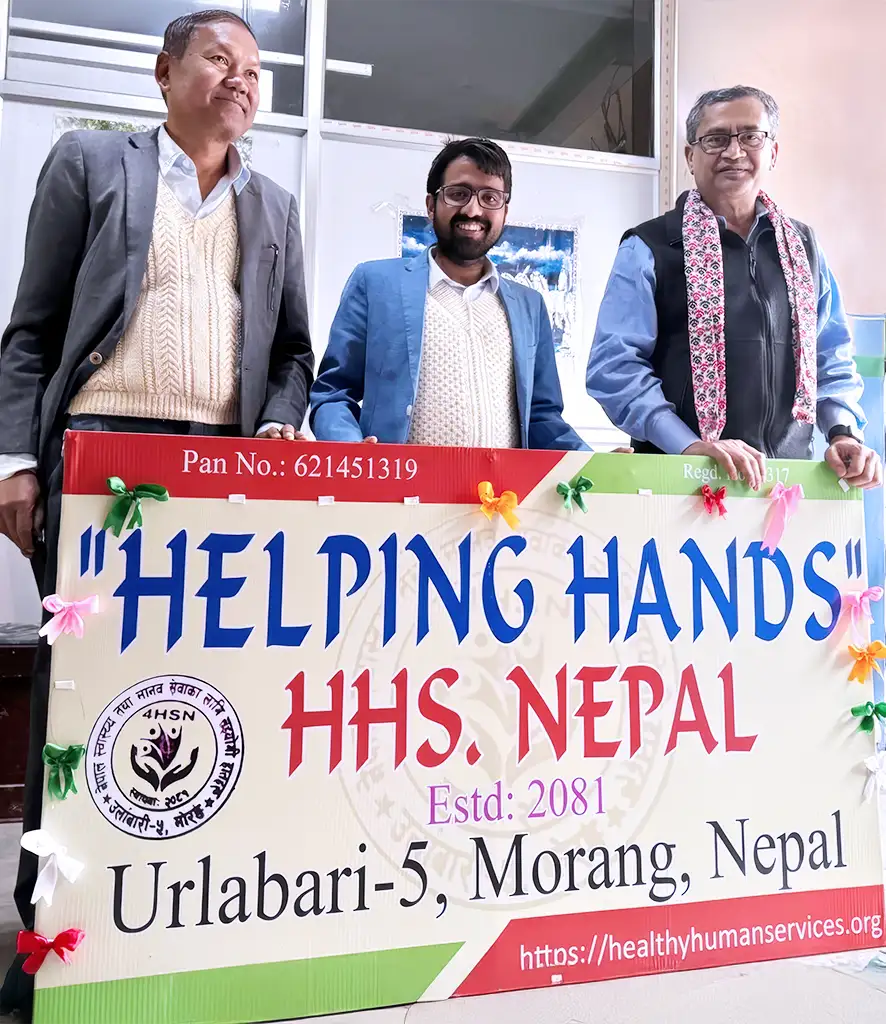
Share your time, skills, and compassion to bring healthcare and hope to Nepal’s most vulnerable communities.
Medical & mental-health outreach
Education & community workshops
Logistics & field suppo
Discover how lived experience and science come together.
Read research led by our founder, Lila K. Chamlagai, on refugee mental health, family-strengthening interventions, and community-based care.