
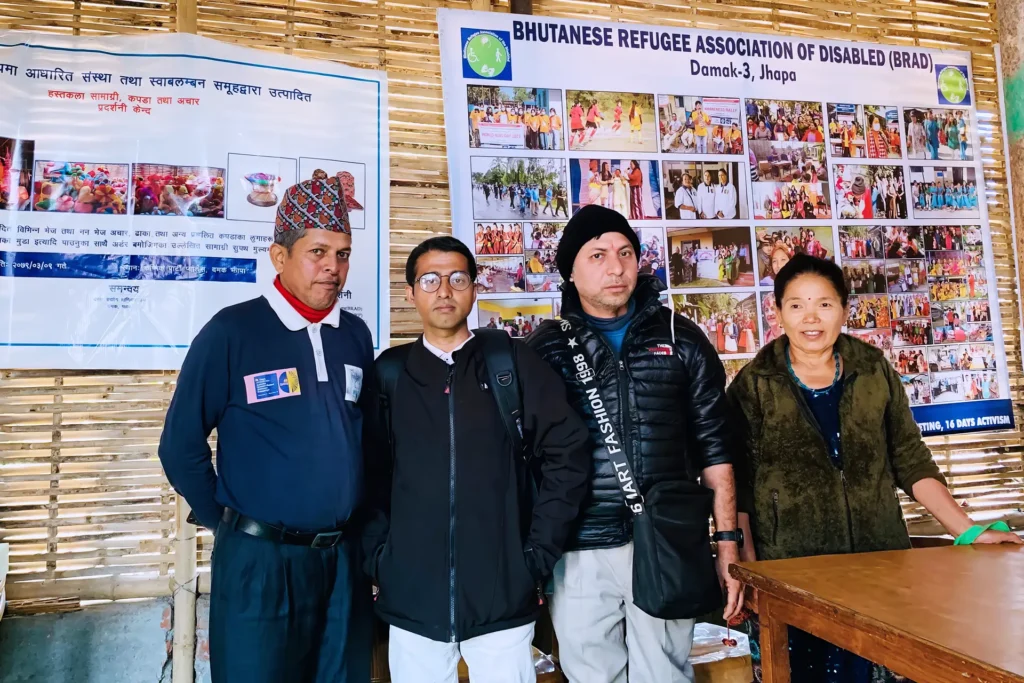
In humanitarian crises, mental health often becomes the invisible emergency. For refugee families—especially those displaced for years or even decades—psychological trauma, disrupted relationships, and cultural displacement create long-term mental health challenges. Yet traditional health systems often overlook the power of the family unit in fostering resilience and recovery.
At Helping Hands: Health and Human Services, Nepal, we believe that healing starts at home. Recent research confirms this belief: family-strengthening interventions, especially those that are culturally grounded and community-led, are proving to be highly effective in improving refugee mental health and well-being.
🧠 What the Research Says
A 2022 study published in the International Journal of Environmental Research and Public Health evaluated a culturally tailored, family-based mental health program for resettled Bhutanese and Somali Bantu refugees in the United States. Using a mixed-methods approach, researchers found that after participating in the intervention:
- Family communication improved significantly
- Caregivers reported reduced psychological distress
- Youth showed decreased behavioral problems
- Participants felt empowered by culturally relevant content and facilitators from their own communities
This model of intervention was not only effective—it was welcomed and trusted by refugee families, largely because it was co-designed with community members, delivered in familiar languages, and focused on the shared values and struggles of refugee life.
🌍 Why This Matters for Nepal
Nepal hosts thousands of Bhutanese refugees who continue to face emotional and social challenges despite resettlement or relocation. Prolonged displacement, intergenerational trauma, and chronic stressors such as poverty and exclusion put families at risk of deteriorating mental health.
Yet mental health care in refugee settings remains limited. Stigma, language barriers, and lack of culturally appropriate services prevent many from seeking help.
This is why Helping Hands is adapting family-based intervention models for Nepal’s refugee communities. We are working alongside academic partners, including Brown University and Health and Education for All (HAEFA), to design and implement programs rooted in community participation, behavioral science, and cultural relevance.
🔍 The Power of Community-Led Care
Evidence shows that programs are more successful when:
- They engage families as the unit of care, not just individuals
- They are delivered by trained facilitators from within the refugee community
- Content is tailored to the language, values, and realities of participants
- Ongoing support and follow-up are built into the process
Such programs not only reduce symptoms of anxiety and depression but also build trust, agency, and long-term resilience—core goals of our work at Helping Hands.
💬 What’s Next?
As part of our Research & Implementation Initiatives, Helping Hands is launching community health clinics and mental health outreach efforts in Eastern Nepal. These programs include:
- Family education workshops
- Youth resilience sessions
- Mental health first aid training for volunteers and caregivers
We’re not just delivering care—we’re building a locally owned system of support, shaped by research and driven by community voices.
✅ Conclusion
Mental health interventions don’t have to start in clinics. They can start around the dinner table, in places of worship, or during a caregiver’s conversation with a child. By recognizing the family as a powerful source of healing, we can change the narrative of refugee care—from survival to restoration.